
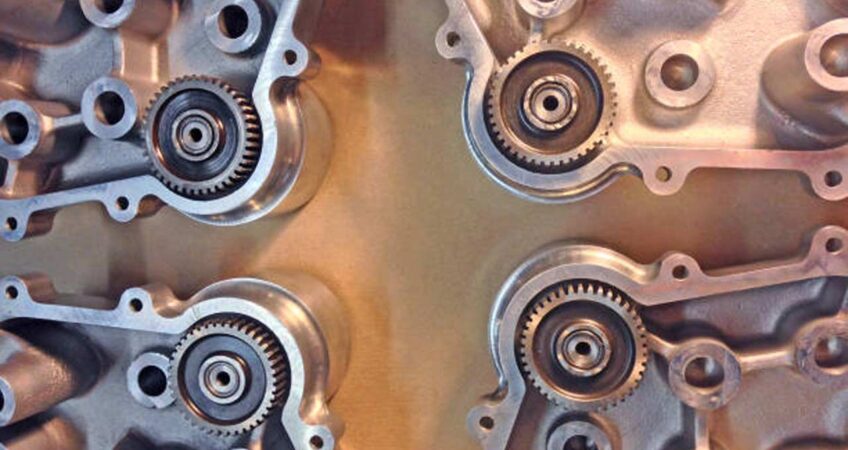
The engine starts, then the speed hunts up and down. Or, it overspeeds, or simply will not hold a steady load. Many blame the governor, but the culprit is often a wiring or linkage misstep during installation.
Even the best of Woodward governor parts fail to perform when installed incorrectly. This article shares the most common errors, plus steps to avoid them.
Why Woodward Governor Parts Matter
The governor senses engine speed and compares it to a reference, adjusting the fuel control to maintain the desired speed. On a generator set, this helps regulate frequency. On a pump or compressor, it regulates output.
Woodward governors, actuators and controls find their ways onto engines and turbines in power plants, marine vessels, oil and gas processing facilities, and more. A functional system ensures smooth, reliable operation; faulty governor parts and installation lead to downtime and safety risks.
Note – Quality parts are a given, but proper installation is a must.
Know What You Are Installing
Woodward makes a wide variety of governors, each with their own set of wiring and installation instructions. Before you do anything, find out what you are dealing with. Mechanical-hydraulic types use pressure and mechanical linkages with hydraulic fluid to control speed. Electronic speed controls use a speed sensor to monitor a reference and send signals to an actuator.
Actuators receive the signal and move the fuel rack, throttle or valve to change the engine speed. Speed sensors utilize magnetic pickups to sense speed and provide information to the electronic control. Be sure to read the manual for the specific part number. Gather the proper tools including crimp tools, multimeter and feeler gauges.
You may also want to inspect the engine and mounting location. Worn or damaged engine parts result in the same symptoms as faulty governor parts, and should be repaired or replaced.
Common Errors During Installation
Wiring errors account for many of the issues technicians see after installation. Here are some of the most common ones, and steps to avoid them.
Error 1: Skipping the Wiring Diagram
Terminal markings can be similar for different types of engines, so always use the instructions that apply to your specific part number. When removing, always label wires. Take photos if possible. A wire on the wrong terminal can damage the control or cause it to behave erratically.
Error 2: Reversed Polarity
Many power and actuator connections are sensitive to polarity. Reverse the connections and the actuator could move in the wrong direction, or damage the power supply.
Check the polarity for all DC connections. Test that the actuator moves in the correct direction, and always verify by following the manual.
Error 3: Poor Supply Connections
Many electronic controls require clean and stable power. The wrong battery, poor connections and electrical noise can cause resets and intermittent issues.
Confirm the voltage rating for the control, and ensure the cabling is sized correctly. Check all power connections are tight and free of corrosion. Ensure the battery and charger are in good condition.
Error 4: Shielding and Grounding
Speed signals are very sensitive to electrical noise. Poor shielding or grounding can cause the control to see a false speed signal and misbehave completely.
Always use twisted pair shielded cable when instructed, and terminate the shield per the instructions. Many applications utilize a ground on the shield at one end only not both.
Error 5: Signal Wires Near Power Cables
Signal wires picked up noise when run next to power cables, alternator connections, or ignition leads. This is a common source of errant speed signals and unstable operation.
Wherever possible, run signal cables away from power cables. Cross them at right angles if possible. Keep cable lengths as short as possible. Secure cables to surfaces so they cannot vibrate and abrade.
Error 6: Incorrect Speed Sensor Gap
Many speed sensors such as magnetic pickups require the correct gap between the pickup and gear teeth. Too much or too little clearance reduces signal strength, or causes intermittent operation.
Refer to the manual for the correct gap, and verify with the feeler gauge specified. Always secure the pickup with the locknut provided, and recheck the gap after tightening.
Error 7: Loose or Poorly Made Terminals
A loose terminal may appear to work, but will cause intermittent issues. Terminal connections that are improperly made or crimped can also cause problems.
Use proper crimp tools and terminals. Avoid twisting wires together as a permanent connection. Always tighten terminals to the torque specifications if provided. Pull test all crimped connections gently. Check connections again after the first few days of operation.
Common Errors During Installation – Linkage
The linkage connects the governor or actuator to the fuel rack, throttle or valve. An incorrectly installed linkage can be the root cause of many control issues. The following errors apply primarily to mechanical-hydraulic governors, electronic or electro-hydraulic.
Error 1: Binding or Sticking Linkage
The linkage should move smoothly through its range of motion. Binding or sticking linkage causes hunting since the governor is not able to respond as quickly as required.
To check, disconnect the linkage from the rack or valve and move it manually through its range of motion. It should not bind or stick. Check for bent rods or restricting links and bushings.
Error 2: Excessive Backlash or Play
Excessive backlash or play in the linkage affects the accuracy of the controls. New joints and worn ball joints can introduce play, causing the linkage to move independently from the movement of the actuator.
Replace all worn ball joints and secure connections. Use proper fasteners and torque values.
Error 3: Incompatible Travel
The travel of the governor output must be matched to the travel of the fuel control. If the travel is too short, you cannot achieve the desired fuel flow. If the travel is too long, the linkage must be forced to obtain the correct travel.
Set the lengths of the levers and rods per the manual, and check the idle and full-fuel positions.
Error 4: Sideloading the Output Shaft
The linkage must be aligned so it does not place a sideload on the output shaft of the governor. Doing so places unnecessary stress on the bearings and causes premature failure.
Ensure that the rod is in line with the motion of the lever. Avoid right angles where possible. Use the recommended linkage joints.
Error 5: Missing or Incorrect Return Springs
Some systems utilize a return spring for the fuel control. Failure to install or replace a return spring results in unsafe operation if power is lost or the signal fails.
Install the return spring as instructed. Ensure the direction of assembly is correct. Do not remove a return spring to correct unstable or hunting operation.
Error 6: Lubrication and Cleanliness
Dirt and grime cause friction and accelerate joint wear. Rust and dirt can cause binding and should be cleaned periodically. Lubricate the linkage per the manual, but do not use excessive amounts of lubrication.
Additional Checks for Mechanical-Hydraulic Governors
In addition to the checks already described, mechanical-hydraulic governors have a few additional checks and concerns.
Use the correct hydraulic fluid as specified by the manufacturer. Check the fluid level and cleanliness. Bleed the system of air per the instructions. Avoid adjusting needle valves or compensation valves unless instructed, and make adjustments in very small increments.
Do not randomly adjust or change settings. This can cause unstable operation. Make notes of all changes during adjustment.
Step-by-Step Installation Checklist
The following checklist can help identify and avoid many of the common errors. Use this on every installation.
- Verify the correct part number and serial number as per engine records.
- Review the manual and wiring diagram.
- Inspect the new governor for shipping damage.
- Mount the governor securely on a stable and vibration-free surface.
- Install and secure the linkage and check the alignment.
- Move the linkage by hand and check for binding.
- Wire the control, actuator and speed sensor, checking polarity and shielding.
- Check all connections per the wiring diagram.
- Apply power and check readings before starting the engine.
- Start the engine at low speeds and observe operation.
- Make adjustments to gain and stability as needed.
- Test the overspeed protection as instructed.
Never forget that an independent overspeed shutdown system should also be used on any engine application.
Troubleshooting After Installation
There are a few common issues found after a governor is installed. The following list covers some of the possible causes and checks.
- Hunting or Surging – Check for binding or excessive backlash in the linkage first. Check for noisy speed signals.
- Slow Response – Look for excessive backlash or play in the linkage. Check for a weak or intermittent power supply.
- Overspeed or Loss of Control – Stop the engine immediately and check wiring connections and polarity. Check linkage position.
- Cannot Reach Full Load – Check travel range and linkage positioning.
- Random Shutdown or Reset – Check power supply, grounds, and connections. Make sure the polarity is correct.
Always isolate and test individual components and connections. That way, you know what is causing the problem, and what changes are needed.
Installation Quick-Check Table
Check When
- Verify the part number and serial number against engine records Before installation
- Connect wiring as per the diagram Before applying power
- Move the linkage through full travel by hand Before first start
- Check shield grounding and terminal tightness Before first start
- Watch for hunting and slow response During commissioning
- Recheck linkage and terminal connections After the first week
- Check all wiring, linkage and oil level Every service interval
Tips for Buying Woodward Governor Parts
Quality parts matter when it comes to control components. Use these tips when purchasing or specifying parts.
- Ensure the part number is correct. Similar numbers may indicate different ranges.
- Ask about condition, and make sure you know whether the part is new, remanufactured or used.
- Request proper documentation and warranty.
- Shop with a supplier that can answer technical questions about your application.
- Buy spares for critical engines. A spare actuator or speed sensor can save you time and money.
Safety First
Engines and governors are powerful systems. Always take safety seriously.
Isolate and lockout the engine before making or adjusting linkage connections. Avoid contact with moving levers. Follow all applicable safety policies and procedures, and use PPE. Leave the setup and tuning to trained professionals.
Frequently Asked Questions
What is the most common governor installation mistake?
Skipping the manual is the biggest one. It leads to incorrect wiring, linkage travel and settings. Always use the diagrams specific to the part number you are using.
Why does my engine hunt after installing a new governor?
Check the linkage for binding or backlash first. Check the linkage travel and wiring for the speed sensor. Adjust the stability settings as needed.
Should I ground both ends of the shielded cable?
Many applications only ground at one end, but always follow the instructions in the manual.
Can I adjust governor settings by trial and error?
It is never recommended to change multiple settings at once. Always make small changes and record them. Refer to the manual for recommended settings.
Where can I buy reliable Woodward governor parts?
Many suppliers carry a wide variety of governor parts, but make sure to ask about the part numbers and ask technical questions. Jawaid Enterprises can help you find the right parts and tools for your application.
Conclusion
The success of most governor-related issues trace back to installation errors. Poor shielding, incorrect linkage travel and binding linkage can cause a multitude of issues.
The fix is relatively simple refer to the manual, make sure you have the correct part number and wiring diagram. Check polarity and shielding. Ensure the linkage moves freely through full travel. Tune in small increments and make sure the engine is operating within specifications.
Reliable parts and proper installation go hand in hand. If you need governor, actuator, speed sensor or other control parts, contact Jawaid Enterprises today. Share the engine model and part number, and the team can find the right solution for you.
Need Woodward governor parts? Contact Jawaid Enterprises at jawaidenterprises.com today.