
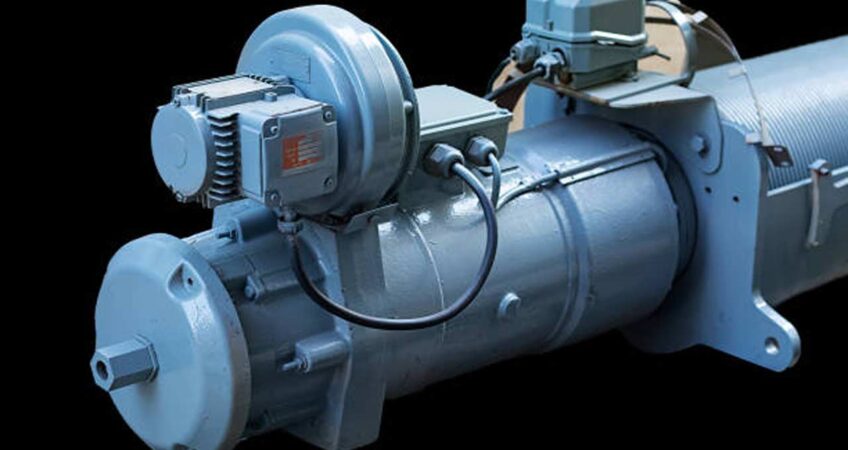
If an engine suddenly starts surging, hunting, or unable to maintain its speed, it is definitely not signaling a new trouble it simply manifests the last stage of wear that has been developing inside an actuator for many weeks or even months. Being able to recognize this wear in advance and avoid the unplanned engine shutdown will depend only on your ability to correlate the symptoms with the particular failure type and perform inspection and maintenance at regular intervals, not on the necessity of troubleshooting.
This guide covers the most frequent types of wear for Woodward hydraulic and electronic actuators, their symptoms recognition, and when a simple repair is possible and when a thorough actuator overhaul is required.
Why Actuator Wear Is Easy to Miss Early On
Most actuator failures occur progressively rather than catastrophically. A hydraulic actuator with somewhat compromised hydraulic fluid or seal will not suddenly become non-functional but will merely take a bit longer to react, have difficulty maintaining position, and slowly lose the precision of movement that was necessary to keep the engine speed steady in varying load conditions. It is due to such gradual development of problems that operators adjust to them without even noticing any decline in performance until the wear reaches a certain level and causes instability in the speed control of the engine.
That is why the importance of regular inspection of actuators is greater compared to other parts of the engine that have obvious symptoms of their wear.
Hydraulic Actuator Wear: What to Watch For
Actuators of hydraulic and hydraulic-mechanical type by Woodward use oil condition as one of the critical factors in operation. Since in such actuators the same oil is used for lubrication and hydraulic action, contaminated or degraded oil will not only wear the parts but affect the performance of the actuator itself.
Oil leakage. Oil visible leaking from around seals, connectors, or the actuator itself is one of the most obvious signs that seals are degrading internally. Without treatment of this problem, the degradation of the seals results in internal oil leakage that affects hydraulic pressure and accuracy of actuator operation long before visible oil leakage occurs.
Contaminated or degraded oil. If oil has visible color or particles present or was used after exceeding its lifespan, the oil will no longer serve to adequately lubricate the internal parts of the actuator. Many problems of actuator operation are connected to the quality of oil.
Delayed response to changes in commands. Whenever there is an appreciable delay in the time taken by the actuator to change its position with respect to load changes compared to before, wear within the pistons, valves or linkages may be responsible, especially in combination with signs of deteriorated oil.
Loose linkages or connections. Mechanical looseness in the linkage mechanism that connects the actuator to the fuel system adds delay and precision errors to the control system even if the hydraulic function of the actuator is fine. This should be checked separately from the internal condition of the oil and seals since it is just a mechanical wear item.
Strange sounds while working. Grinding or knocking noises made by the actuator when operating usually indicate bearing wear, loose parts, or worn gears within the actuator, especially for actuators with a long life experience.
Electronic Actuator Wear: A Different Diagnostic Path
There are several modes of failure that electronic/electric actuators are subject to that do not occur in hydraulic actuators, namely, related to wiring, feedback signals and electronics driving.
Connection problems in electrical wiring. Often the source of actuator malfunctioning lies in corrosion, looseness or damage to wiring connections; frequently it results in an erroneous diagnosis – the actuator itself is thought to be the problem, whereas in reality there is something wrong somewhere in the wiring. Inspection of the condition of the wiring connections, especially at places subjected to vibrations or moisture exposure, should be done first.
Malfunctioning of the feedback signal. Actuators using position feedback use it to ascertain its position relative to the controller. Malfunction or degradation of the feedback sensor may lead to the control system misreading the position of the actuator and locking it in place; it appears as if the actuator is locked up, whereas in fact there was something wrong with the sensor.
Problems with wire gauge and voltage drop. The resistance produced by inadequate wiring on long wiring runs may result in voltage drop great enough to deprive the actuator from getting sufficient power to function properly.
Driver or controller fault codes. The Woodward electronic actuators systems such as the ProAct and others like the analog electric actuators are built in such a way that any fault that occurs in the actuator is signaled through the driver electronics. In case there is an actuator fault code, one should look at the actuator model’s troubleshooting manual, or even the original equipment manufacturer or the Woodward business partner in charge of the particular installation.
Recognizing Engine-Level Symptoms of Actuator Wear
Some of the most obvious indications of wear and tear in the actuator do not occur within the actuator itself, but in the way the engine behaves when there are load changes.
- Hunting or Surging – the speed of the engine varies around the desired value, rather than maintaining a stable value; indicates that the actuator cannot maintain a stable position or that it responds poorly to the control commands.
- Delay in speed stabilization after a load change – the significant delay in reaching the target speed after the load change indicates a reduction in responsiveness of the actuator.
- Instability of speed at constant load – small but regular changes in speed during the engine operation indicate wear of the actuator which negatively affects the ability to maintain a stable position.
- Inability to reach or maintain a target speed – in severe cases of wear of the actuator, it may have insufficient power capacity to adjust the fuel supply to the engine.
All of the above conditions require the actuator checkup, even if there are no diagnostic codes and visual leaks observed.
A Practical Troubleshooting Sequence
When there is actuator related symptomatology, analyzing causes in a consistent manner ensures that parts do not needlessly get replaced and the real root cause is reached faster.
Step 1: Evaluate the simpler external variables first. With regard to electronic actuators, evaluate wiring and connections before suspecting an internal problem. With hydraulic actuators, evaluate the oil level, quality, and whether there is visible leakage before opening up the unit.
Step 2: Evaluate the recent history of maintenance performed on the actuator. Ensure that the actuator has not passed its recommended interval for overhaul. This would be in conjunction with the engine interval for most Woodward hydraulic-mechanical actuators, although it can vary depending on operating severity, oil quality or leakage.
Step 3: Evaluate the response to known command signals. When it is feasible, evaluate actuator response to known command signals rather than simply engine symptomatology which can have more than one cause.
Step 4: Consult manufacturer or business partner for complex or difficult problems. Troubleshooting manuals are available for Woodward’s actuator products, and in cases of program lock or when an installation is OEM-specific, consultation with the original equipment manufacturer, packager, or Woodward business partner can be the appropriate course of action for more detailed troubleshooting.
Step 5: Consider whether repair, overhaul, or replacement is required. Simple problems like wear on one seal or corrosion on a connector might make repair the best choice. If there are signs of wear on several parts, or if the unit is near the end of the overhaul cycle, overhaul would be the preferred solution.
When to Overhaul vs. When to Replace
| Situation | Recommended Action |
|---|
| Single, isolated fault, such as a corroded connector or minor external leak | Perform a targeted repair |
| Multiple wear indicators are present, or the unit is approaching its scheduled overhaul interval | Consider a full overhaul, including inspection of seals, bearings, and internal components |
| Actuator has experienced severe operating conditions or has exceeded its recommended overhaul interval | Consider a remanufactured or new replacement instead of repeated repairs |
| Persistent fault codes remain unresolved after standard troubleshooting | Escalate the issue to the OEM, packager, or Woodward business partner before replacing additional parts |
Treating a unit with multiple developing issues as a series of individual repairs often costs more over time than a single overhaul that addresses seals, bearings, and internal wear together while the unit is already open.
Sourcing Genuine Parts for Actuator Repairs
Given that the problem of actuator wear deals with parts such as seals, bearings and internal valves which should be precisely manufactured to ensure proper restoration of control performance, it becomes especially important for this repair category to source genuine or verified remanufactured replacement parts. A seal or bearing part that is just slightly different from the factory specifications may lead to the reappearance of wear issues soon after repair, making it all pointless.
At Jawaid Enterprises, you will find genuine and verified Woodward actuator parts to use for overhauls and emergency repairs of actuators, including fitment which is designed for specific models of actuators rather than for engines in general. As far as teams working with several engines are concerned, planning and carrying out the inspection of actuators before their problems start occurring, like hunting and surging, is one of the most efficient methods to prevent unscheduled stops related to the speed control system.
Frequently Asked Questions
What would be the most common indicator of Woodward actuator wear?
In case of hydraulic actuators, oil leakage or oil deterioration will normally be the first obvious sign. In case of an electronic actuator, problems with connections or feedback signal may appear before any signs of a component breakdown.
How often does one need to perform an overhaul of the Woodward hydraulic actuator?
It depends on specific applications. The overhaul of many Woodward hydraulic-mechanical actuators occurs at the same time when engine overhaul takes place. It should be done earlier in case of oil leakage, loose components or difficult operation conditions before such interval.
Can engine hunting or surging be caused by anything else except the actuator?
Indeed. Although actuator wear is one of the most common causes of hunting, this problem may also occur due to inappropriate controller setup, fuel system problems or governor tuning. Troubleshooting process allows detecting the exact cause of hunting instead of assuming it automatically.
Is it okay to keep operating the actuator when there’s a small oil leak?
Even with a small oil leak, there may still be issues with seals deteriorating, possibly affecting hydraulic pressure inside the actuator and its ability to function correctly, not just leaving an oil puddle on the ground.
What should I do when I need help from Woodward or a business partner?
When troubleshooting does not resolve fault codes, lockout due to programming errors, or multiple symptoms at once, it’s time to reach out to the OEM, packager, or Woodward business partner.
Catch Actuator Wear Before It Becomes an Engine Failure
The line between regular actuator repair and a sudden engine shutdown often lies in the stage of the actuator wear detected. Inspection of oil leaks, wiring, and performance combined with genuine replacement parts prevents a minor problem from turning into a major issue. At Jawaid Enterprises, we can supply you with genuine Woodward actuator parts that have been verified. Get your actuator model and symptoms for a simple parts quote.