
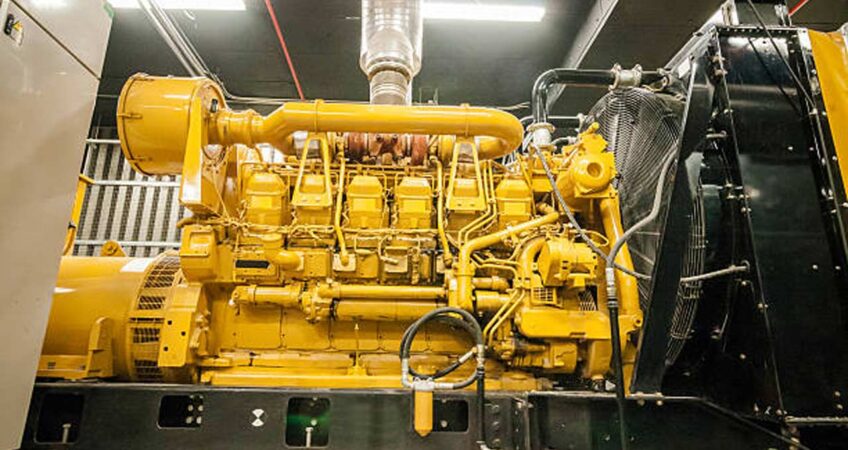
Your generator sits, idle, for weeks. Then the grid goes down, and you need it right away. Will it start and hold voltage? The answer often depends on three small but vital components. Quality Caterpillar generator parts keep the alternator healthy, and the AVR, diodes, and stator assembly matter most.
This guide explains each part in plain words. You will learn what it does, how it fails, and how to care for it. You will also get a simple maintenance schedule and smart buying tips.
Why Caterpillar Generator Parts Matter for Uptime
A generator has two main halves. The engine makes mechanical power. The alternator turns that power into electricity. Most unplanned outages trace back to one of these halves.
Engine problems get a lot of attention. Alternator problems often get ignored until something breaks. That is a costly habit.
The right Caterpillar generator parts protect you in three ways:
- They keep voltage steady, so your equipment stays safe.
- They reduce surprise breakdowns and emergency repair bills.
- They extend the life of the whole generator set.
Hospitals, factories, farms, hotels, and data rooms all depend on backup power. For them, one failed part can mean lost revenue or even lost safety. Regular care costs far less than downtime.
How a Generator Alternator Works: A Quick Overview
You do not need an engineering degree to understand the basics. Here is the simple version.
Most Cat generators use a brushless alternator. It has a small exciter, a rotating rectifier, a main rotor, and a stator. The AVR controls the whole process.
- The AVR sends a small DC current to the exciter field.
- The exciter makes AC power on the spinning shaft.
- The rotating diodes turn that AC into DC.
- The DC current feeds the main rotor and creates a magnetic field.
- The spinning field passes through the stator windings.
- The stator produces the AC power your site uses.
If any link in this chain weakens, output suffers. That is why the AVR, diodes, and stator deserve regular attention.
Maintaining the AVR (Automatic Voltage Regulator)
What the AVR Does
The AVR acts like the brain of the alternator. It watches output voltage all the time. When voltage drops, it sends more current to the exciter. When voltage rises, it sends less.
Many Caterpillar generators use a digital voltage regulator. Older units use analog AVRs. The core job stays the same. Check your model’s manual to confirm which type you have.
Signs Your AVR Is Failing
Watch for these warning signs:
- Voltage swings up and down (hunting).
- No voltage build-up at startup.
- Voltage runs too high or too low, and adjusting does not help.
- The generator trips under sudden load changes.
- The AVR looks burnt, discolored, or smells hot.
Do not assume the AVR is guilty every time. Poor voltage can also come from bad diodes, loose wiring, or a weak stator. Test first. Replace second.
AVR Maintenance Tips
- Keep it clean. Dust and moisture shorten electronic life. Wipe the panel area with a dry, soft cloth.
- Tighten connections. Vibration loosens terminals over time. Check them during each service.
- Inspect wiring. Look for cracked insulation, rubbed wires, and heat marks.
- Control heat and humidity. Good ventilation helps electronics last longer.
- Record your settings. Note voltage, stability, and frequency settings after commissioning. This saves hours later.
- Protect against surges. Use proper grounding and follow the manufacturer’s wiring guide.
Repair or Replace?
Replace the AVR when you see visible burn damage, repeated instability, or failed bench tests. Always match the part number and model to your generator. A wrong AVR can cause overvoltage and damage the exciter or diodes.
Rotating Diodes: Small Parts, Big Impact
What Rotating Diodes Do
Diodes act like one-way valves for electricity. In a brushless alternator, they sit on the rotor in a rectifier assembly. They convert exciter AC into DC for the main field.
They spin at full generator speed. That means heat, vibration, and stress every hour they run.
Why Diodes Fail
- Overheating from poor cooling or heavy overload.
- Voltage spikes from faults or switching events.
- Vibration that loosens mounting hardware.
- Contamination from oil, dust, or moisture.
- Age. Every component wears out eventually.
A surge suppressor usually protects the diode bridge. If it looks damaged, replace it along with the diodes.
Symptoms of Bad Diodes
A failed diode often looks like an AVR problem. You may see low output voltage, voltage that will not build up, or a hot exciter. In some cases the generator runs, but it struggles under load.
How to Test Diodes Safely
Follow these steps. Always stop the generator and apply lockout and tagout first.
- Open the alternator access cover.
- Disconnect each diode lead from the circuit, as your service manual directs.
- Set a digital multimeter to diode test mode.
- Check each diode in both directions.
- A good diode conducts in one direction and blocks in the other.
- A diode that conducts both ways, or blocks both ways, has failed.
Many technicians replace the full set of diodes on a bridge together. This avoids repeat failures and extra downtime. Use the correct polarity for each diode, because forward and reverse types differ.
Stator Assemblies: The Heart of Power Output
What the Stator Does
The stator is the fixed part of the alternator. It holds copper windings inside a laminated steel core. When the rotor’s magnetic field sweeps past, these windings produce your output power.
Because it carries your entire load, the stator faces heat all day. Its insulation is the weak point.
Common Causes of Stator Damage
- Heat from continuous overload.
- Moisture and condensation, especially in standby units.
- Dirt, oil, and dust that block airflow and cut insulation life.
- Voltage surges and short circuits.
- Vibration from poor alignment or worn bearings.
Warning Signs
- A burnt smell near the alternator.
- Uneven voltage across the three phases.
- Breakers that trip for no clear reason.
- Low insulation resistance readings.
- Visible discoloration on the windings.
How to Check Stator Health
Two basic tests give you a strong picture.
First, measure winding resistance with a low-resistance ohmmeter. Compare each phase. Readings should match closely. A big difference points to a shorted or damaged winding.
Second, run an insulation resistance test with a megohmmeter. This shows whether moisture or contamination has weakened the insulation. Disconnect the AVR and other electronics first. Test voltage can destroy them. Follow your manual for the correct test voltage and minimum values.
Stator Care Tips
- Keep the alternator clean and dry.
- Use anti-condensation heaters on standby generators.
- Never block cooling air paths.
- Run the generator under load regularly. Light loads leave moisture inside.
- Fix oil leaks quickly, since oil attracts dirt.
- Schedule insulation testing at least once a year.
If the stator fails, you can rewind it or replace the whole assembly. The best choice depends on cost, lead time, and the core’s condition. A good service partner can help you compare both options.
How Operating Conditions Affect Your Parts
Two identical generators can age very differently. Their environment makes the difference.
Hot sites push every part harder. Heat cuts insulation life in the stator and stresses diodes. Dusty sites clog air paths. Humid or coastal sites invite moisture and corrosion. Standby units face condensation because they sit idle so long.
Load matters too. A generator that runs near its limit all day wears faster than one that runs at a moderate load. A generator that never runs under load suffers in a different way, since moisture and carbon build up.
Look at your own site honestly. Ask yourself these questions:
- Is the generator room hot, dusty, or damp?
- Does the unit run daily, or only in emergencies?
- How close does the load run to the rated capacity?
If your conditions are harsh, shorten your inspection intervals. Add heaters, filters, or better ventilation where needed. These small upgrades protect your AVR, diodes, and stator for years.
A Simple Maintenance Schedule
Use this schedule as a starting point. Your manual and operating conditions come first.
| Maintenance Task | Recommended Frequency |
|---|---|
| Visual inspection for dust, leaks, and loose wiring | Weekly |
| Run generator under load | Monthly |
| Check and tighten AVR and terminal connections | During every scheduled service |
| Inspect rotating diodes and surge suppressor | Annually |
| Test AVR performance under load | Annually |
| Perform stator insulation resistance test | Annually |
| Complete alternator inspection by a qualified technician | As specified in the manufacturer’s manual or after any fault |
Tips for Buying Caterpillar Generator Parts
- Bad parts cost more than good parts, even when the price looks lower. Use these tips to buy with confidence.
- Know your serial number. It helps match the exact part to your generator.
- Check the part number twice. Similar-looking AVRs and diodes can differ in rating.
- Ask about origin and quality. Request clear information about whether a part is genuine, OEM-equivalent, or aftermarket.
- Look for testing and documentation. A reliable supplier can tell you how parts are checked.
- Ask about warranty and returns. Good suppliers stand behind what they sell.
- Keep critical spares. An extra AVR and a diode set can save days of downtime.
- Choose a supplier who answers technical questions. Fast, clear answers signal real expertise.
Safety First
Generators produce dangerous voltage. Even a stopped unit can hold stored energy or start unexpectedly.
- Stop the engine and disconnect the starting system.
- Apply lockout and tagout.
- Test that circuits are dead before touching them.
- Wear proper protective equipment.
- Let only trained technicians handle internal alternator work.
When in doubt, call a professional. A safe repair is always the cheaper repair.
Common Mistakes to Avoid
- Replacing the AVR without testing diodes and the stator.
- Mixing old and new diodes on the same bridge.
- Running a megohmmeter with the AVR still connected.
- Ignoring dust, moisture, and oil buildup.
- Skipping load tests on standby generators.
- Buying parts by appearance instead of part number.
Each of these mistakes repeats the same problem. Small shortcuts lead to bigger failures later.
Frequently Asked Questions
How often should I inspect my generator’s AVR?
Check it during every scheduled service. Look at wiring, terminals, and signs of heat. Test its performance under load at least once a year.
Can a bad diode damage the AVR?
Yes, it can. A failed diode changes the current in the exciter circuit. That puts extra stress on the AVR. Test both parts when you see voltage problems.
How do I know if my stator needs replacement?
Look for uneven phase voltages, low insulation resistance, burnt smells, and tripping. Test the windings to confirm. If the damage is severe, rewind or replace the stator.
Should I replace all diodes at once?
Many technicians recommend it. Diodes in the same bridge age at a similar rate. Replacing the full set often prevents repeat failures.
Where can I find reliable Caterpillar generator parts?
Choose a supplier that confirms part numbers, explains part quality, and offers support. Jawaid Enterprises can help you find the right parts for your generator.
Conclusion
Your generator is only as reliable as its weakest part. The AVR controls voltage. The diodes feed the rotor field. The stator delivers your power. Look after all three, and your generator will serve you for years.
Remember the basics. Keep parts clean and dry. Test before you replace. Match every part number. Follow a regular schedule. These habits cut downtime and repair costs.
Quality Caterpillar generator parts make that job easier. If you need AVRs, diodes, stator assemblies, or expert advice, contact Jawaid Enterprises today. Share your generator model and serial number, and the team will help you find the right fit.
Need Caterpillar generator parts? Contact Jawaid Enterprises at jawaidenterprises.com today.