
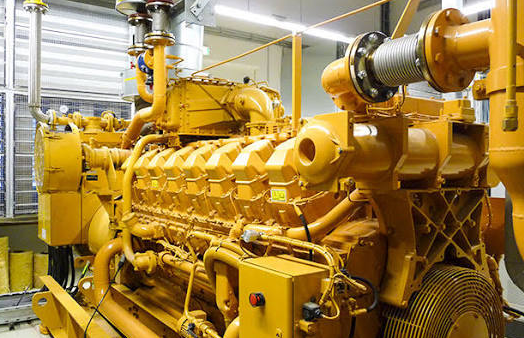
Your diesel engine is subjected to high-energy burning, metal expansion then contraction and other forces. Sometimes the stress becomes too much for cylinder heads or their gaskets, which causes cracks and other damages. Heat is the main cause of thermal stress in caterpillar diesel engine parts. This article discusses how and why thermal stress occurs and how it can be reduced to extend the life of your engine.
What is Thermal Stress?
Metal expands when heated and contracts when cooled. Different parts of the engine heat and cool at different rates, creating stress. The fastest way to damage caterpillar diesel engine parts is to let it heat up and cool rapidly. For example, one section of the cylinder may heat faster than another. The heated part will try to expand but the cooler section will resist it, constraining motion and causing cracks. In an engine, thermal stress is unavoidable but manageable.
Why Cylinder Heads and Gaskets are Most Affected
The cylinder head is subjected to the maximum pressure and heat of combustion. On top of that, the valve train and fuel injectors are also attached to it. The head gasket is the weakest link in the engine, as it should withstand the pressure and heat while keeping the coolant, fuel, and combustion gases separate. Heat damage to these two parts usually occurs together since they are connected.
Warning Signs of Heat Damage
Many signs can indicate that there is an issue with your engine’s cooling system or that the cylinder head and gasket are damaged. Recognizing them early may save you from expensive repairs.
The main signs of heat damage in cylinder heads and gaskets may include:
- Coolant loss without visible leaks
- White smoke from the tailpipe
- Bubbles in the coolant reservoir or radiator
- Foamy, milky oil on the dipstick
- Overheating and high-temperature warning lights
- Loss of power and irregular running
- Oil in the coolant
If you observe any of these symptoms, you should stop using the engine and check the cooling system, radiator, and cylinder head. A combination of two or more of these signs usually means there is a severe problem overheating the engine.
The Main Sources of Excess Heat in Diesel Engines
There are several ways how excess heat can be generated in a diesel engine. The most common causes of heat damage to cylinder heads and gaskets are:
- Cooling system issues
- Improper coolant
- Overloading and lugging the engine
- Improper fuel and combustion
- Poor airflow and intake
- Operation in extreme environments
Cooling System Issues
The main purpose of a cooling system is to remove excess heat from an engine. Any malfunction in it will cause the engine to overheat. Common cooling system issues include:
- Low coolant level due to leaks
- Poor airflow through the radiator or clogged fins
- Faulty thermostat
- Worn-out water pump
- Loose or damaged fan belts
- Scaling in the radiator and coolant passages
Improper Coolant
Coolant is the medium that transfers heat away from the engine. However, it also prevents cavitation and corrosion of metals in the cooling system. Using the wrong type of coolant or allowing it to get old will lead to serious problems with the engine’s ability to reject heat.
Make sure you always use the recommended type of coolant and mix it with water in the recommended ratio. Check its condition regularly and do not mix different coolants if it is not recommended by the manufacturer.
Overloading and Lugging the Engine
Operating the engine at levels beyond the recommended power rating causes it to burn hotter than usual. The same effect is observed when lugging, or operating at low RPMs while under a load.
Improper Fuel and Combustion
Issues with the fuel supply, such as faulty injectors and low-quality diesel fuel, may raise the combustion temperatures and produce localized hotspots in the cylinder. Malfunctioning or improperly timed ignition systems also cause the engine to burn hotter than normal.
Poor Airflow and Intake
Restricted or improper airflow creates a rich air-fuel mixture, which increases the combustion temperatures. A restricted air filter and malfunctioning turbocharger or supercharger also lead to higher intake air temperatures, which the engine has to reject.
Extreme Operating Environments
Caterpillar diesel engines are designed to operate in a variety of environments, but some of them are more stressing than others. Extreme weather conditions, such as very high ambient temperatures and altitude, may make it harder for the engine to reject heat. Make sure to pay extra attention to the cooling system and radiator in these cases. Enclosed environments with poor ventilation also retain heat, increasing the operating temperatures of the engine.
The Real Cost of Heat Damage to Cylinder Heads and Gaskets
It can be tempting to ignore minor coolant leaks or excessive engine heat, but it is a mistake. A leaking gasket or a faulty head can lead to extensive and expensive repairs. Poorly maintained or damaged cylinder heads and gaskets can cause bearing damage due to loss of coolant and improper lubrication. In the worst case, a cracked cylinder head will have to be replaced.
The downtime and repair costs of the engine can be even more expensive than the maintenance and parts replacement. Remember that it is usually cheaper to perform preventive maintenance than to repair heat damage.
How to Minimize Thermal Stresses in Cylinder Heads and Gaskets Everyday
The following maintenance practices will help you prevent excessive thermal stresses in cylinder heads and gaskets and prolong the life of your engine:
- Proper warm-up and cool-down of the engine
- Keeping the cooling system clean and properly maintained
- Avoid overloading the engine
- Checking temperature gauges and alarms
- Maintaining clean fuel and air intake systems
- Proper maintenance of the cylinder head
- Proper installation of the head gasket
Proper Warm-up and Cool-down of the Engine
Sudden temperature changes are one of the main causes of thermal stresses in almost all engine parts, including cylinder heads and gaskets. It is important to let the engine warm up before trying to accelerate. Likewise, you should let it idle for a while before shutting it down, especially after heavy-duty operations. This allows the turbocharger to cool down, reducing the risks of thermal stresses affecting it and the cylinder head.
Keeping the Cooling System Clean and Well Maintained
Here are some of the most important practices to help you maintain the cooling system and reduce the chances of the engine overheating:
- Check the coolant level regularly
- Clean the radiator fins and air passages
- Check the condition and tightness of hoses
- Check belts for looseness, cracks, and other signs of wear
- Make sure the radiator cap is not faulty
- Flush and clean the coolant system regularly, as recommended by the manufacturer
Avoid Overloading
Make sure the engine is operated within the recommended power rating. If you have a generator set, make sure it is sized correctly for the load. If the engine is constantly running near or beyond the recommended limits, consider getting a bigger one or using multiple sets to share the load.
Check Temperature Alarms and Gauges
The temperature alarm is usually a sign that the engine is running too hot. Make sure to reduce the load and let it cool down if the temperature gauge shows higher than normal values. Do not attempt to ignore or bypass the alarm if it goes off.
Maintain Clean Fuel and Intake Systems
Changing the fuel filters and air filters at recommended intervals, as well as maintaining the turbocharger and other systems, will help keep the intake air and fuel clean and ensure proper combustion.
Proper Maintenance of the Cylinder Head
When you have an opportunity to disassemble the engine, make sure to inspect the cylinder head and its components for any signs of damage or wear. It is a good practice to perform a thorough inspection every time you service the engine. Remember that the cylinder head is the heart of the whole engine, so it is important to keep it in good working condition.
During the inspection, you should:
- Check for cracks
- Measure the flatness of the cylinder head mating surface
- Check valve seats and guides for wear
- Clean and inspect the coolant passages and check for scale buildup
- Check for pitting in the coolant passages, which may indicate cavitation or insufficient coolant
Compare all measured dimensions to the specifications provided by the manufacturer. If there is any damage to the cylinder head beyond acceptable limits, it should be repaired or replaced right away.
Repair or Replacement of Cylinder Heads: What to Do?
There are several options to consider when deciding what to do with a damaged cylinder head. Heads that are only slightly warped may be able to have the warping machined out within the specified limits. However, it may also be necessary to re-machine the valve seats and guides if these components are worn. If the cylinder head has cracks that cannot be repaired, it will have to be replaced.
You may want to consult a professional mechanic to help you determine the most cost-effective solution. It is important to remember that a cylinder head that has been repaired should still meet the required specifications for flatness and height. The amount of material removed during the repair process should not be too great, or it may affect the compression ratios and valve clearances.
Proper Installation of the Head Gasket
The head gasket should always be installed correctly, according to the manufacturer’s instructions. This will help to ensure that it can maintain a proper seal under the operating pressures of the engine.
The following steps should be followed when installing the head gasket:
- Make sure the mating surfaces are clean and free of damage
- Remove the old gasket material, taking care not to scratch the mating surfaces
- Check that the cylinder liner protrusion is within the specified limits
- Make sure you use the correct head gasket for your engine type and serial number
- Make sure the head bolts are replaced as recommended by the manufacturer
- Lubricate the threads of the head bolts, if recommended
- Tighten the bolts in the correct order and torque, or torque-turn sequence
- Use a calibrated torque wrench to achieve the specified tightening torque
Failure to follow the recommended torque sequence can lead to improper clamping force, causing the head gasket to leak. Always use a calibrated torque wrench when torqueing the head bolts.
Diagnostic Tests for Suspected Head Gasket Leaks
There are several tests that can be performed to detect head gasket leaks. You should always make sure to follow the manufacturer’s recommendations when performing them.
Some common diagnostic procedures for suspected head gasket leaks include:
- Testing the cooling system for leaks
- Testing the cooling system for combustion gas leaks with a specialized tool
- Testing the coolant and oil for traces of fuel or other fluids
- Looking for signs of white smoke from the tailpipe or loss of coolant
A head gasket that is leaking between the combustion chamber and the cooling system should always be replaced as soon as it is discovered. Failure to do so will usually result in expensive repairs to the engine, including possible bearing damage and hydrolock.
Creating a Culture of Preventive Maintenance
Good preventive maintenance practices are essential in extending the life of any diesel engine. They can significantly reduce the risks of costly breakdowns and repairs. Here are some ideas to help you establish a culture of preventive maintenance:
- Train your personnel to understand the importance of preventive maintenance
- Make sure they know how to use the required tools and equipment correctly
- Keep a logbook of all preventive maintenance activities performed
- Use checklists to ensure that nothing is overlooked
- Make sure that the logbook is available to the service personnel so that they can review the maintenance history of each engine
- Establish a regular maintenance schedule based on the manufacturer’s recommendations and operating conditions
Simple Checklist for Preventive Maintenance
Use this simple daily and weekly maintenance checklist for your diesel engine. The frequency of each maintenance task depends on the operating environment and the recommendations of the engine manufacturer.
Maintenance Task
- Frequency
- Check the coolant level and make sure there are no leaks
Daily or every shift
- Monitor temperature gauges and alarms
Every shift
- Clean radiator fins and check airflow
Weekly or as needed
- Test coolant quality and additive content
- As recommended by the manufacturer
- Check hoses, belts, and water pump
Every service
- Check radiator cap pressure and cooling system pressure
Annually or as needed
- Test for combustion gas leaks in the cooling system
If any symptoms are observed
Tips for Buying Caterpillar Diesel Engine Parts
When buying parts for your Caterpillar diesel engine, make sure to follow these simple tips:
- Make sure to specify the part number and engine serial number when ordering parts
- Ask if the part is genuine, OEM, or aftermarket
- Ask for overhaul kits for heads and other parts since they usually come with all the necessary components
- Make sure you get the proper documentation and warranty for the parts you buy
- Work with a reliable supplier who understands your needs and can answer your questions
- Buy spares parts for gaskets, seals, and bolts since they are usually needed during any overhaul work
Basic Safety Practices
Working on hot engines and cooling systems can be dangerous. Make sure to follow these safety practices:
- Never open a hot radiator or cooling system
- Always make sure the engine is completely cooled down before attempting to do any maintenance or inspections
- Make sure the engine is de-energized and cannot be accidentally started
- Use proper lifting equipment when handling heavy components, such as cylinder heads
- Always wear the appropriate personal protective equipment when working on the engine
Frequently Asked Questions
What causes a cylinder head to crack?
The most common cause of cracks in cylinder heads is thermal stress due to overheating. Rapid temperature changes, insufficient coolant, overloading, and poor cooling system performance are some of the factors that can cause thermal stresses in the cylinder head.
Can I reuse a head gasket?
No, you should not reuse a head gasket. Always use new gaskets when removing the cylinder head.
Do I need to replace the head bolts every time I take off the cylinder head?
It depends on the engine manufacturer. Some head bolts are designed to be used only once and should be replaced, while others can be reused. Always follow the manufacturer’s recommendations.
How do I know if my engine has a blown head gasket?
There are several signs that may indicate that the head gasket has failed. These include loss of coolant, white smoke from the tailpipe, bubbles in the coolant reservoir, and milky oil. A combustion gas test can also help determine whether the head gasket is blown.
Where can I buy genuine Caterpillar diesel engine parts?
You can buy genuine Caterpillar engine parts from Jawaid Enterprises. Make sure to specify the part number, engine serial number, and ask whether the part is genuine or aftermarket. Always work with a reputable supplier that understands your needs.
Conclusion
Thermal stress in caterpillar diesel engine parts is inevitable but can be controlled. A properly functioning cooling system is the best way to reduce the likelihood of the cylinder head or gasket being damaged. Other preventive maintenance practices also play a significant role in reducing the chances of thermal stresses developing into a serious fault. When performing any repairs to the cylinder head and gasket, make sure to use the proper tools, techniques, and materials.
Quality caterpillar diesel engine parts are essential in helping you get the most out of your investment and keep your equipment running reliably for many years. If you need any parts for your Caterpillar diesel engine, contact Jawaid Enterprises today.