
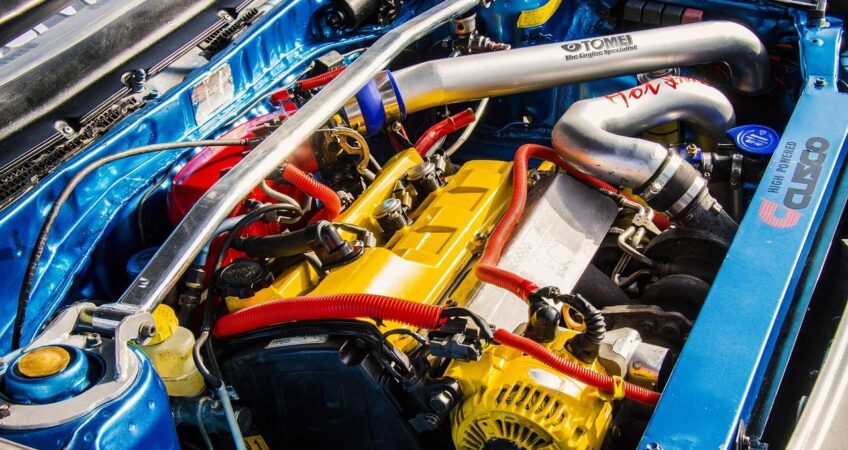
Running a Waukesha gas engine successfully boils down to two factors: being ahead of your regular maintenance schedule and ensuring that there is no problem locating the necessary replacement parts. Neglect any of those two factors, and your engine will be prone to downtime which will cost you more than you’ll ever pay for a scheduled maintenance session.
This guide will take you through the practices that ensure that your Waukesha engine lasts longer and the ability to distinguish between an authorized parts distributor and a mere reseller of whatever parts are available in their stock.
The Waukesha engines such as the VHP series and the recently introduced ATGL model were designed for continuous-duty operations for use in gas compression, cogeneration and stand-by power purposes.
Routine Maintenance That Actually Extends Engine Life
Most engine failures in Waukesha engines are rarely sudden events; rather, they occur as a result of accumulated neglect of regular inspection or maintenance.
Keep track of your run hours relative to service intervals. All the Waukesha engines come with specified service intervals based on run hours for such operations as oil analysis, spark plug inspection, and valve adjustment. Engines working almost all the time at full load at compressor stations reach these intervals faster than engines that work occasionally. The thing is that keeping an accurate record of run hours will make the difference between catching the wear early enough and finding out about it when you are already in an unexpected emergency shutdown situation.
Watch your ignition performance carefully. Ignition parts, such as spark plugs, coils, and the ignition system itself (ESM3 or ITSI), are the first parts where you can find performance problems. It may be misfires, rough idling, or unbalanced combustion chamber temperature that will lead to problems in your engine only because of worn-out spark plugs or malfunctioning ignition module.
Look at the quality of your fuel gas, not just pressure. The fuel gas that Waukesha engines use includes a variety of types such as pipeline gas, field gas, propane, digester gas, and landfill gas, and they all burn differently. Inconsistent field gas is one of the worst culprits, causing gradual failure in your fuel systems even if fuel pressure is fine. Periodic gas analysis allows you to avoid premature carburetor and regulator failures.
Make sure you have oil and coolant analysis done. Having your used oil and coolant analyzed in the lab shows metal wear trends before there is a problem. Increasing levels of iron or copper in oil analysis samples could be an indication of bearing wear before any problems start. It is a very inexpensive way to get early warning about bearing wear in a continuous-duty engine.
Schedule overhauls on hours, not failure. Waiting until a part breaks down in order to replace it generally means rush fees and extended downtime. Having major overhauls scheduled on run-hour intervals and ordering overhaul kits in advance prevents unexpected breakdowns and keeps the process under control.
Common Wear Points to Inspect Regularly
Some parts will always fail more quickly than the rest of the engine, and checking these areas will help you prevent more costly repairs down the line.
- Cylinder liners and rings – check for scoring or excess clearance during your scheduled inspections, particularly high-time engines.
- Turbocharger bearings and seals – if there is any strange sound or oil consumption, it could be a sign of early wear in your turbocharger.
- Valve seats and guides – check when you have to adjust the valves; this will help you detect wear because it impacts combustion efficiency.
- Water pump seals – leakage from your water pump is an early indicator that the seals have worn out.
- Ignition coils and plugs – do not wait for a misfire before replacing them; it is hard to predict ignition failures.
What “Authorized Distributor” Actually Means
It is important to know the meaning of the phrase “authorized distributor” in the context of the parts business, before trusting such a vendor with the job of repairing your vehicle.
Authorized distributor will usually deal directly with sourcing whether it is a legal dealership, sourcing through supply chain from the factory or dealing with OEM-equivalent manufacturers. The reason is simple this defines two things: will the part meet the factory specification and do you have any recourse at all if that part will fail prematurely.
However, it does not have to be only genuine brand parts for an authorized distributor. An authorized distributor might deal in genuine brand parts, OEM-equivalent parts, and remanufactured cores equally well, as long as there is no confusion between them and they are clearly indicated. The problem is not that the vendor deals in different kinds of sourcing but he cannot distinguish between them.
How to Evaluate a Waukesha Parts Distributor
There are several simple tests to tell whether your distributor is dependable or a “whatever fits” provider.
Inquire how they determine fitment. Your distributor should be asking your model number, series and serial number before providing you with the quote. Otherwise, if it quotes the product solely based on your description, there is a high chance that the part will not fit.
Inquire how diverse the sources of the parts are. Those distributors that are limited to a single sourcing category, such as only remanufacturing or only aftermarket parts of a specific brand, often experience longer lead times in case the limited stocks run out. A distributor that sources the parts from genuine inventory, certified equivalent manufacturer and remanufactured cores with quality controls has much more chances of providing you with a part in time.
Inquire how the remanufacturing process goes. If the part is remanufactured, you might want to inquire about the inspection, machining and test procedure used. Such a distributor would be more trustworthy than those that only say “reman”.
Inquire about the expedited process. Time is money, especially in emergency situations. Your distributor should have the process to expedite sourcing in case of urgent requests.
Genuine vs. OEM-Equivalent vs. Remanufactured: A Quick Reference
| Sourcing Option | Compatibility Confidence | Cost Level | Best Application |
|---|---|---|---|
| Genuine Parts | Highest — manufactured to factory specifications | Highest | Ignition and control electronics, precision components |
| OEM-Equivalent Parts | High — designed to meet relevant factory tolerances | Moderate | Routine wear items such as gaskets, filters, and bearings |
| Remanufactured Parts | Depends on rebuilder quality and certification | Lowest | Older engine models and budget-conscious overhauls |
Choosing between these isn’t about picking one option across the board it’s about matching the sourcing type to the specific part and the risk of that part failing.
Why This Matters for Uptime
A well-maintained engine together with a distributor that sources parts accurately will seldom encounter the type of unforeseen problem that would render a compressor station or generator set inoperable for days at a time. The majority of unscheduled outages can be attributed either to a neglected maintenance window or an incorrectly specified part. These problems could easily have been avoided with a proper maintenance program and a distributor partnership focused on fitment accuracy.
Our team partners with plant managers and maintenance departments supplying Waukesha VHP and ATGL parts from authentic, OEM equivalent and remanufactured lines, where fitment has first been established according to model and serial number. This is also helpful to any team that needs to plan out an engine overhaul based on actual operating hours.
Frequently Asked Questions
How frequently should Waukesha engine oil be tested?
Oil analysis is conducted at each planned service interval, which is based on the engine run hours and not the calendar time. Continuous duty engines running close to the base load may require more frequent sampling than standby engines.
What are some signs of ignition system deterioration?
Rough idle, misfires, and varying combustion temperatures are common early symptoms of wear. Testing for ignition performance at each scheduled inspection will catch wear early, before misfire occurs.
Is it OK to purchase parts for Waukesha from a non-dealer distributor?
If the distributor obtains their supply of the parts in the correct way and either supplies genuine, OEM or properly remanufactured parts, it should be fine. The real question is how well they source the parts and confirm fitment based on the engine model and serial numbers.
How do I know if remanufactured parts are of high quality?
Find out about the inspection, machining and pressure testing involved in the remanufacturing process from the distributor. This will provide a better indication of the quality of the parts than just the term ‘remanufactured.’
. How do you get your urgent Waukesha part fast?
Get your engine’s model and serial number at hand and work with a distributor who sources through more than one channel, rather than just one backordered brand supplier. This usually ensures faster delivery on urgent individual parts.
Keep Your Waukesha Engine On Its Feet on Your Terms, Not the Failure’s
Regular maintenance and the right distributor who checks fitment before sending are what ensure that the Waukesha engine keeps running on your schedule, not the breakdowns’. Whether you plan an overhaul or need an urgent replacement part, or are looking for regular part sourcing of more than one engine, Jawaid Enterprises can help you source genuine, OEM-equivalent and remanufactured Waukesha parts suitable for your specific engine.